

Chronic pain shapes far more than your body—it affects your emotions, relationships, and even your faith. It raises difficult questions about endurance, identity, and how to navigate suffering when you feel abandoned by God.
In this compassionate episode of our ongoing series, Dealing with Your Addictions, Shay sits down with Dr. David Hockman, a doctor and former orthopedic surgeon in Columbia, MO, to discuss what long-term pain looks like from the inside, and how it intersects with addiction, hope, and the daily walk of trusting God.
Shay and David will cover:
What chronic pain is and how it affects you
How substances used to relieve chronic pain can be addictive
Practical ways to manage chronic pain
Hope for you in the midst of your chronic pain
If you’ve ever wondered why chronic pain feels so overwhelming or how addiction can quietly develop as a result, this interview will provide insight, encouragement, and a clear path forward.
Highlights from Shay’s Conversation with David
Shay: Today I have a good friend of mine, Dr. David Hockman, who has done quite a bit of study on our topic today, which is chronic pain and addiction. David, great to have you.
David: Thank you. It’s good to be here.
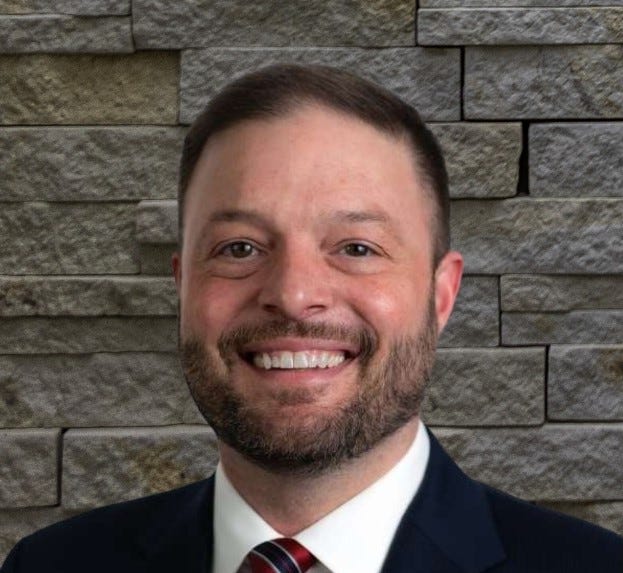
Shay: This is an important topic because many people deal with this issue. Almost everyone has experienced severe physical pain of some sort. For most of us, it hurts for a while and then it ends. But chronic pain is often different. What is chronic pain and how does it affect us?
David: Chronic pain is pain that lasts longer than three months. It doesn’t behave like typical short-term pain, which warns that something is wrong and then fades as you heal. Chronic pain shows up without a clear cause at times. Over time, it changes the way the nervous system works. It’s like the body’s alarm system gets stuck in the on position.
It’s a terrible beast. It’s like a tormentor in your body that just won’t go away. It’s estimated that one in five people suffer from chronic pain. It’s something your brain is constantly monitoring. This makes your brain work harder to concentrate, to remember things, and to make decisions. You might feel a little mental fog or tiredness even before the day starts.
Shay: So there’s grief that you have to bear, because your life’s changed. What you used to do with ease, you can’t do anymore. It takes a toll on your emotions.
David: It can bring on fear, anxiety, and depression. And when those three things are going on, it makes the cycle of pain even heavier. Chronic pain can be isolating because it is an invisible condition. People don’t understand why your abilities change from day to day. Family roles shift as others may take on more responsibility. Communication is essential, but you may not want to burden others.
Psychologically, chronic pain reshapes your identity. You start to question who you are. Your mind is overly alert to physical sensations, and you develop coping strategies. Practically, your daily life is affected. Your sleep is disrupted; you have increased pain sensitivity, limited movement, and cycles of doing too much or not moving enough and having more pain. You have to learn how to budget your energy and avoid triggers, so you don’t have flare-ups and fatigue.
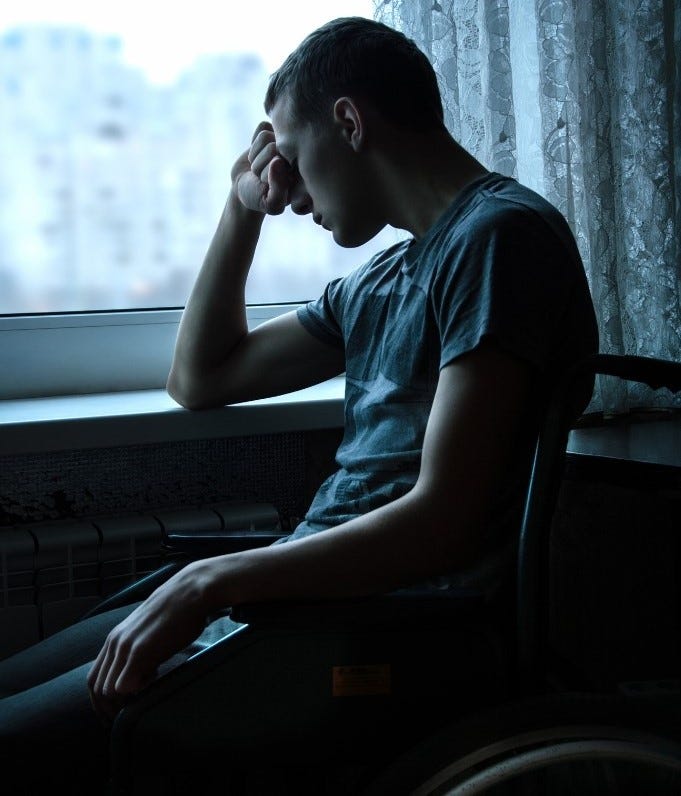
Shay: This is also a spiritual issue, because you can interpret and respond to your chronic pain either with a God-shaped perspective or from a fatalistic human perspective. You may believe that God has abandoned you or is punishing you for something, and that can feel very dark and hopeless.
Let’s shift gears and talk about chronic pain and addiction. Can you tell us about the connection there?
David: As someone who suffers from chronic pain, the spiritual things that you mentioned are very touching. I’ve experienced all of those. As chronic pain wears you down, it may feel like a ‘get out of jail free’ card that enables you to take whatever you need to manage your pain.
The opioid medications don’t just dull pain, they produce a sense of relief and calm or even euphoria. Over time, the brain adapts via neuroplasticity. You need to take slightly more and take it more often just to feel ‘normal’. Missing a dose leads to withdrawal symptoms and you start using the medication not to feel good, but to avoid feeling sick.
Shay: So it’s not so much dealing with the pain, but that you’ve got to keep taking the medication so that you don’t have withdrawal symptoms.
David: It creates a desperate loop that you keep cycling through. The shift from pain treatment to withdrawal avoidance is often that doorway that leads to addiction. If access becomes restricted, you might start doctor shopping or taking pills from family or friends or illicit sources. Your focus narrows to just finding your next dose of medication.
People turn to marijuana and even supplements that can mimic the effects of opioids in the brain. Others turn to alcohol. Maybe they were a moderate drinker, but they find that drinking more helps the pain—or at least dulls it. As a result, you might have mood swings and irritability, withdrawal from normal activity, declining sleep, increased anxiety and depression, missed work, or strained relationships because pain and medication dominate your daily life.
Shame is a huge factor. Because you feel trapped between your pain and the medication, that leads to isolation so other people don’t notice how bad things have gotten. The progression is usually slow and subtle and it’s good to catch it early. There are neurobiology factors going on along with desperation; it’s not character flaws in people that cause this to start.
Shay: I’m glad you mentioned that. I’m also wondering, do opioids have positive uses?
David: Oh, absolutely. These medications are a gift from God. I don’t think you could go through surgery without it. In my 20-year career, I used opioids with 99.9% of my patients after surgery, and they knew ahead of time that we had a plan, and there is no variance from the plan, and they will be tapered off. This is not something you’re going to use to manage your life.
Shay: If you have chronic pain, is it possible for you to persevere and live out God’s purpose for your life, in the midst of your suffering? How do you live by faith when you have chronic pain?
David: First, I would rephrase the question to, “How would you live with chronic pain without faith?” I found it to be the most absolute critical feature in my life for dealing with chronic pain. You have to believe that God is going to provide the grace that you need for each day. Think of how the Apostle Paul had a thorn in his flesh that God didn’t remove. God said he would give Paul the grace he needed to live with it. So God’s strength is made perfect in weakness, not in the absence of suffering.
Second, I would say that we need to remember that God understands our pain, and that he is in the pain with us. We shouldn’t jump ahead in fear or catastrophize the future. He’s going to give you the strength for the day. Jesus says that each day has enough worry of its own. He’s not asking you to walk through anything that he himself has not endured.
Third, recognize that suffering is purposeful, even though you may not be able to see that purpose. You have to look through the lens of God’s love, see that he’s working for your good, even when you can’t trace his hand. Your temptation is to let your experience interpret Scripture, but Scripture tells us to let God’s promises interpret our experience.
Your identity can so easily be swallowed up in chronic pain. Paul says in Romans 8:17 that if we share in the sufferings with Christ, we will also share in his glory. Your suffering is not evidence that God is against you, it’s evidence that you belong to him. When you suffer with Christ, you’re not apart from him. And God comforts us so that we can comfort others. Your pain has a purpose.
Your suffering is not evidence that God is against you, it’s evidence that you belong to him. When you suffer with Christ, you’re not apart from him. And God comforts us so that we can comfort others. Your pain has a purpose.
Shay: This is so good, David. God’s story for us isn’t over in our pain. He’s using it. But that doesn’t mean we don’t seek relief for it. Let’s talk about that a little more. How do we manage chronic pain and guard ourselves against misusing medications?
David: Chronic pain isn’t just about the body. It involves your brain, your emotions, your relationships, even your beliefs about suffering. It’s pretty all-encompassing. When pain flares up, it brings on these automatic negative thoughts, which causes fear and creates tension that makes the pain worse. If you don’t interrupt that, you fall into a ‘doom loop’ of more pain, fear, and tension.
Instead, follow a different path that’s called the relief healing loop. It doesn’t erase the pain, but it helps you live with hope and resiliency. The first part of that is to grow in awareness. Pay attention to what triggers your pain. Often it’s stress, fatigue, certain movements of your body, or even emotional wounds from your past. It’s just as important to notice what reduces your pain and add more of that into your life. Journaling can be really helpful here.
The next thing is to use medications wisely. They’re not the enemy. They’re just a tool. But you have to be very intentional about how you use them. Look for red flags like trying to get your prescription filled too early because you’ve used it up too quickly. You need to be willing to be humble and seek help. You’re not a bad person because this happened. You’re doing your best.
Physical therapy is extremely helpful. Ice and heat, steroid injections, nerve blocks, and other things that can give long-term relief which help you reset. Decide to incorporate exercise that you can tolerate into your daily life. Helpful therapies include stretching, walking, yoga, scar massage, biofeedback, and alternative treatments like acupuncture, TENS units, and meditation—not the kind taught by Eastern religions—but filling yourself with an awareness of God and his presence and promises.
You can seek help from counseling, cognitive behavioral therapy, talk therapy, and group therapy to help you look at your pain and your thinking patterns differently so you can catch the thoughts that lead to addictive behaviors.
Shay: When it comes to caring for your soul, there is Scripture, going to the Psalms, or just reminding yourself of promises of God. Prayer is helpful. You worry a lot, but how often do you stop and pray about your pain? You can sit quietly in God’s presence, slow down, and calm your mind. Start a gratitude journal, listen to worship music.
Let me add a few thoughts that I’ve learned in walking with people who deal with chronic pain, and even from my own life. First, I always go back to the idea that because Jesus was forsaken, like no one has ever been forsaken, we will never be forsaken. It calms my soul knowing that truth.
Second, I think about the hope of the resurrection and what is to come. This life is just a dot, but eternity goes on forever. As you experience pain or even just the aging process, you need to think about the resurrected body that is to come.
Third, look for small ways to love others. Chronic pain can make you selfish or focused on yourself. It’s tempting to turn inward. Find ways to serve your neighbor. It may mean praying for people. Writing notes of encouragement. Taking time to listen to someone. Simple acts of service matter.
Fourth, respond wisely to someone if they don’t understand. It’s easy to feel angry or irritated. But most people mean well; they just don’t understand. If they’re willing, meet for coffee so you can talk about it. But also consider whether your pain dominates every conversation.
David, we’ve given our listeners of helpful, practical advice, but I also want to thank you for the wisdom that you bring to this subject. What we’ve shared today isn’t easy, but hopefully people will be reminded that God is at work in their lives, and their story isn’t over.
David: Thank you, Shay. It was a joy to be on the podcast with you. I felt like you’re pastoring me along through a lot of the conversation. I love our friendship, and it helps sustain me. So thank you.
Shay: You’re definitely a gift from God to me and we do look forward to when Jesus comes back, and he wipes away every tear from our eye. Thanks for joining us today.
Recommended Resource
Change Your Brain, Change Your Pain by Dr. Daniel Amen